| About the School |
| Course Structure |
| Academic Curriculum |
| PME Curriculum |
|
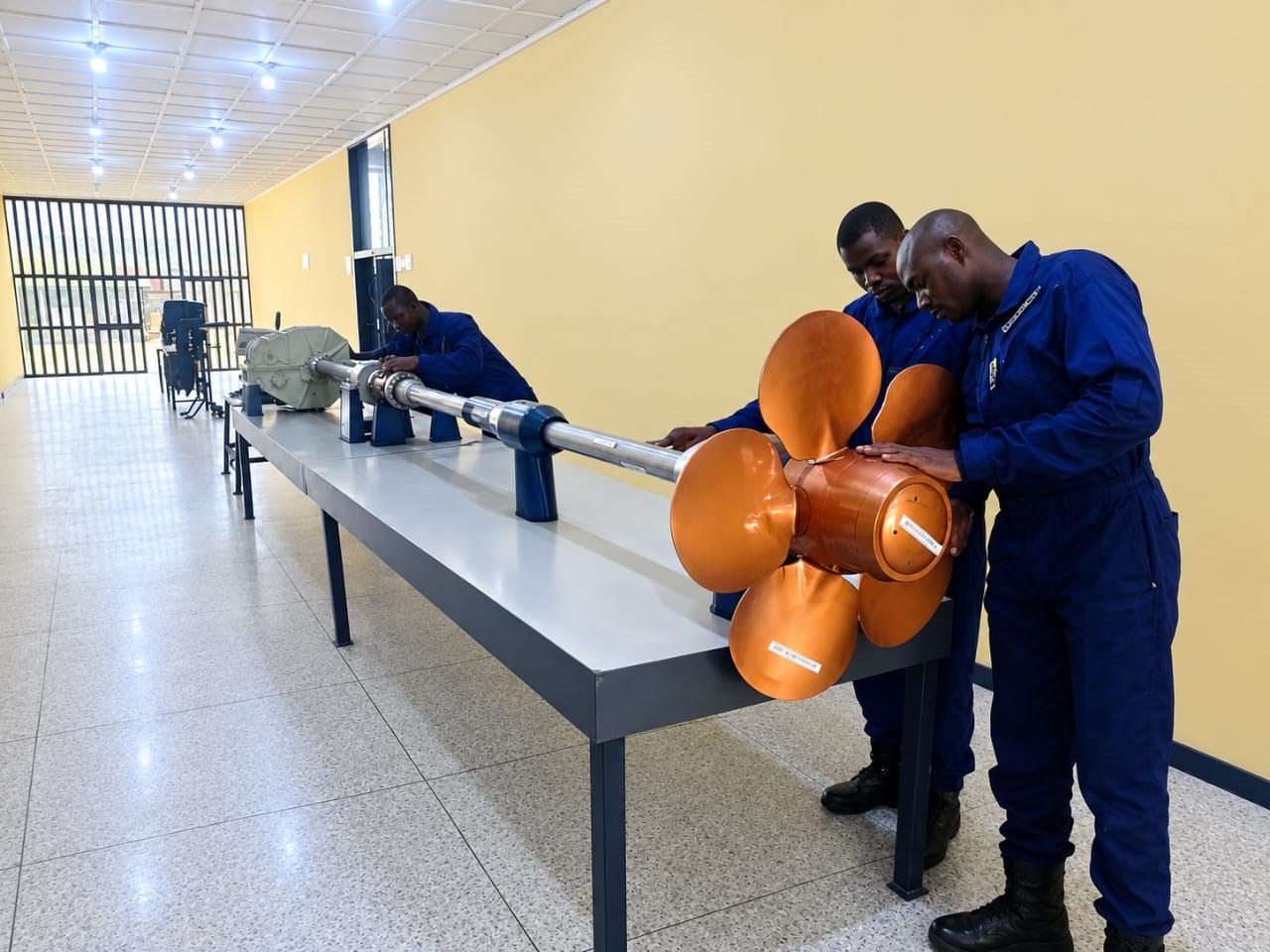
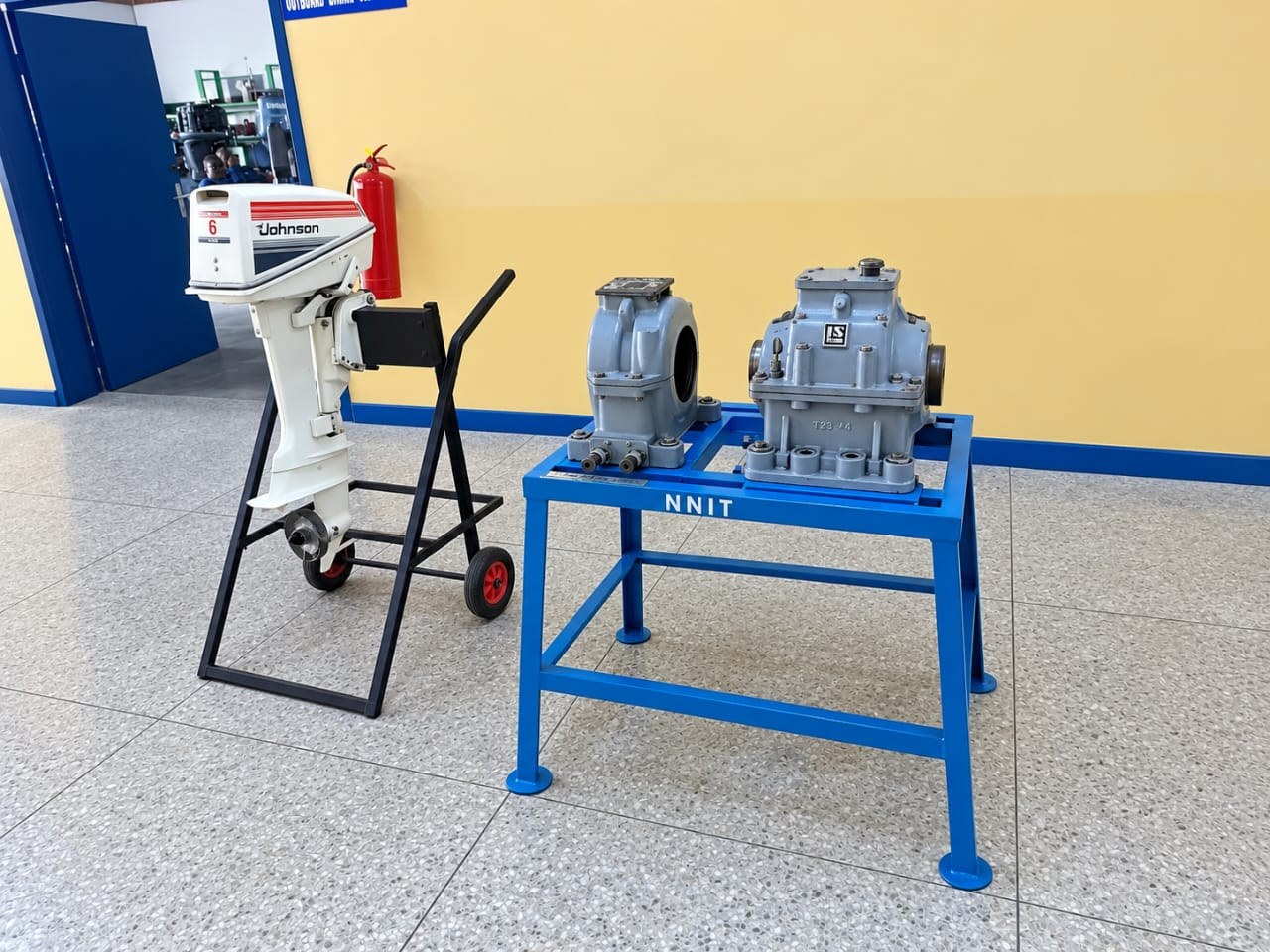
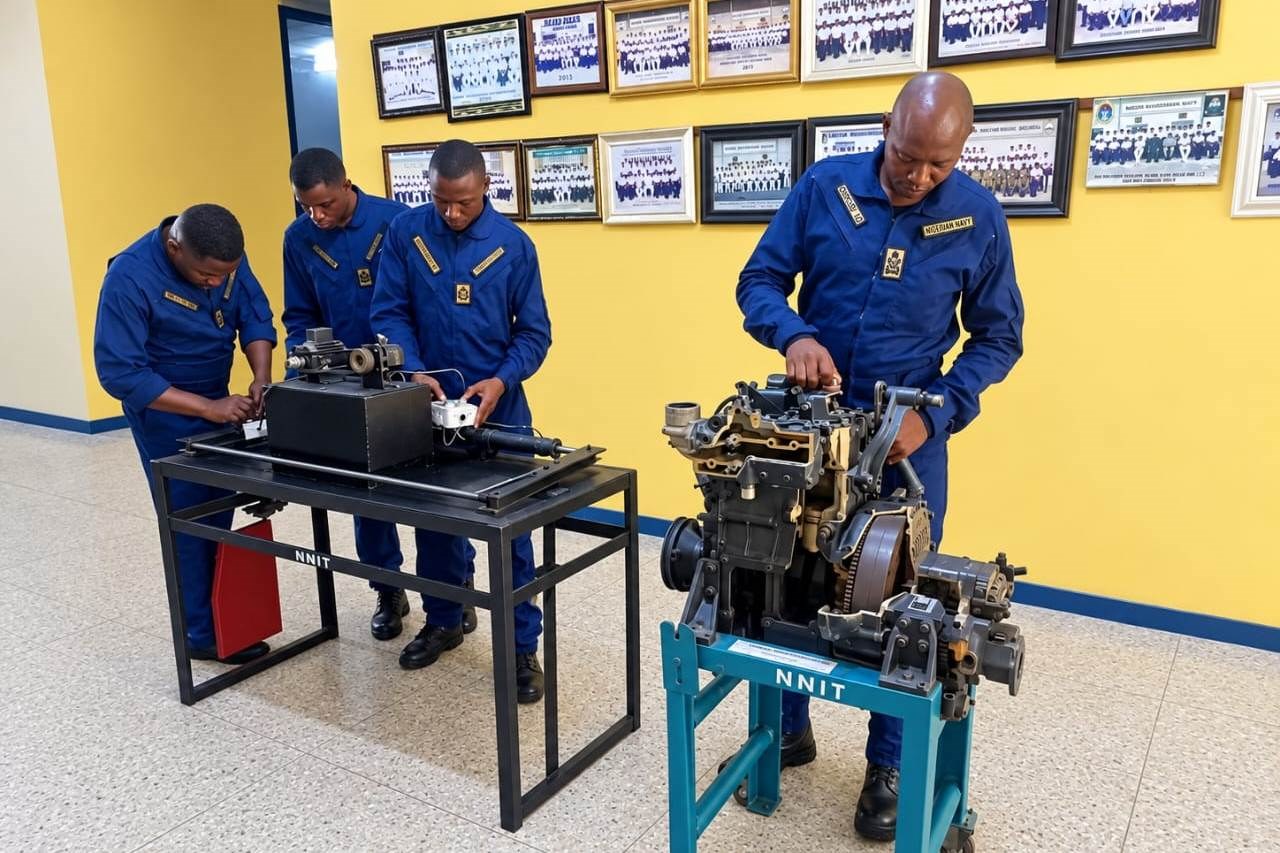
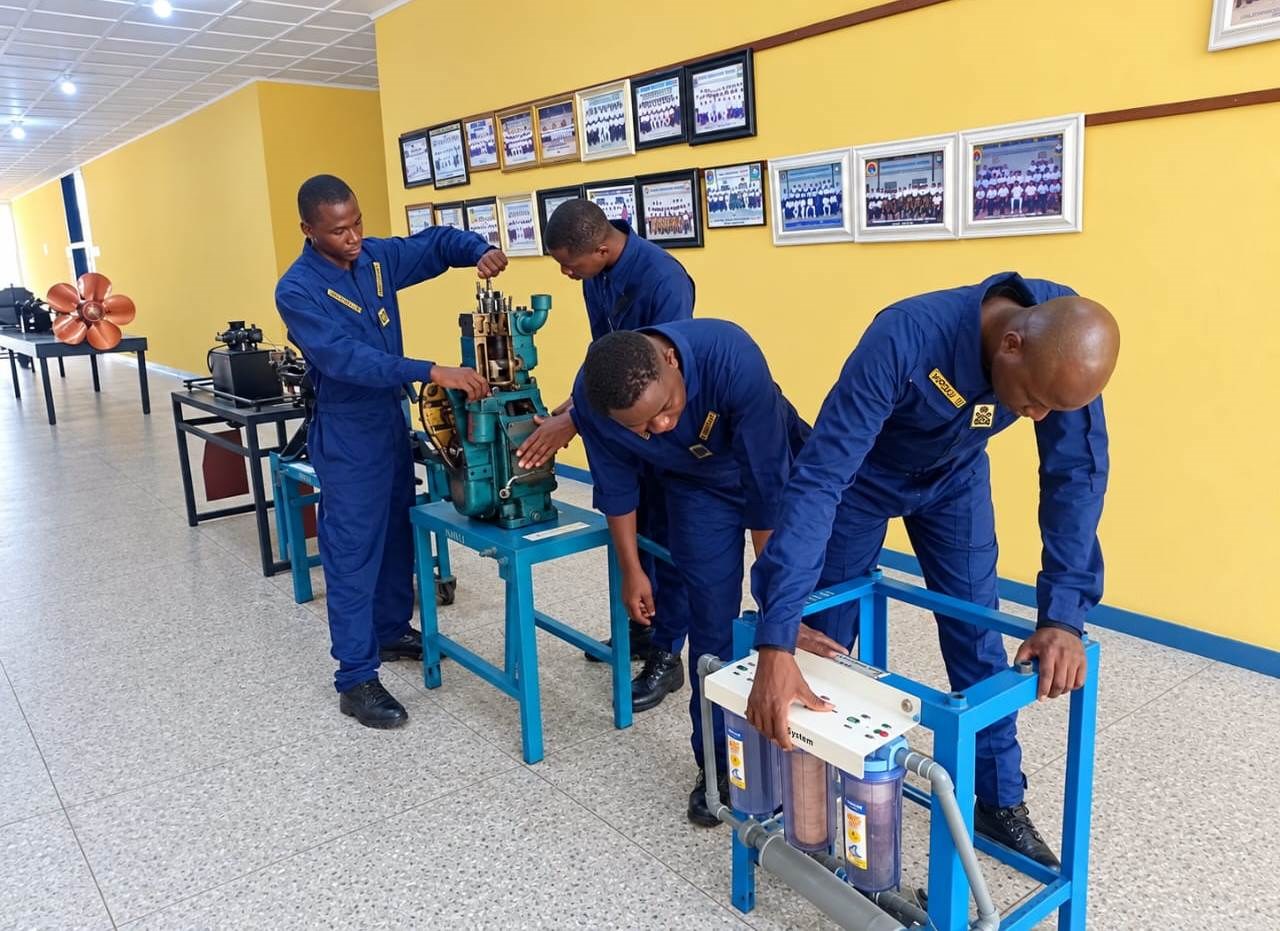
| |
|
|
MARINE ENGINEERING SCHOOL
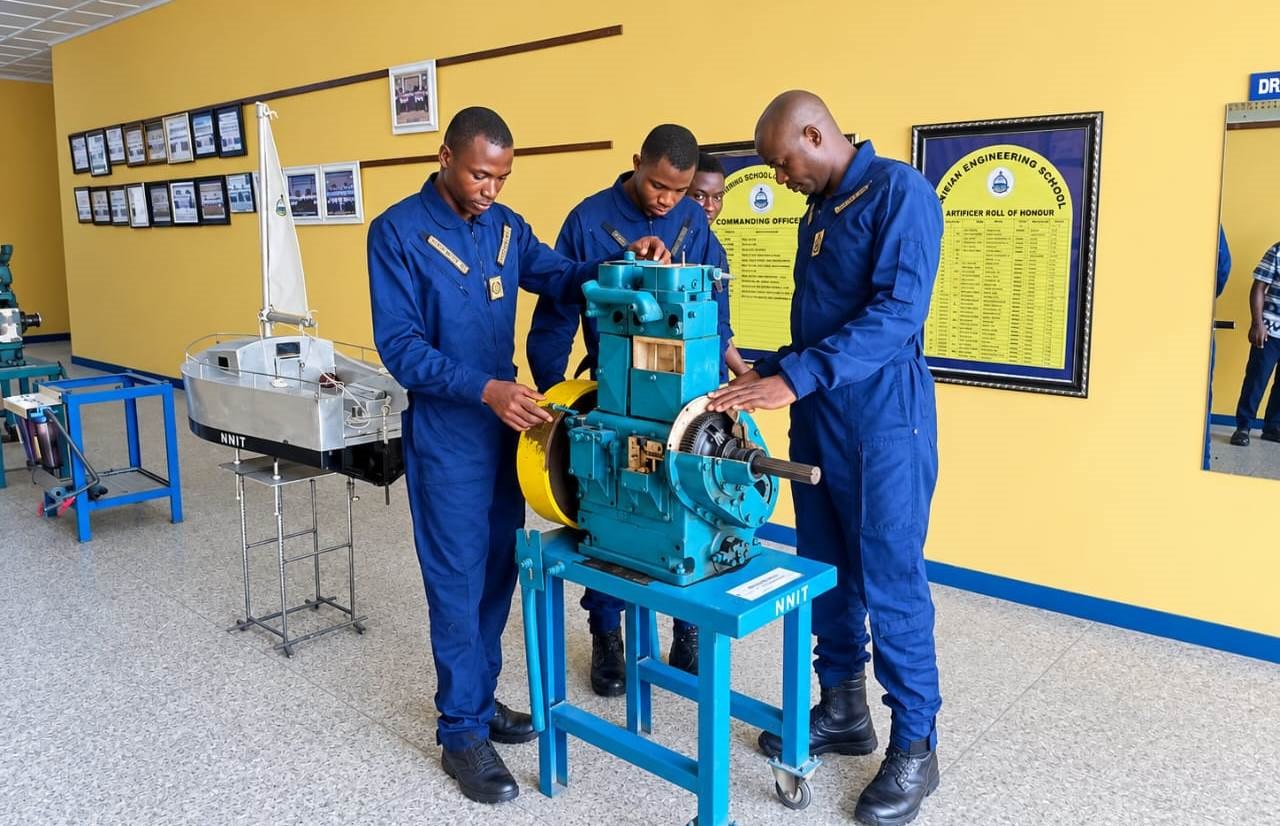
1. The Marine Engineering School, Nigerian Navy Institute of Technology (NNIT), Sapele, Delta State, is a specialized Technical Training Establishment of the Nigerian Navy dedicated to the development of professionally competent, technically proficient and operationally effective personnel in marine engineering and allied technical disciplines. The School plays a significant role in providing structured technical education and professional development for Nigerian Navy personnel and other appropriately sponsored trainees. Its training programs are designed to equip trainees with the requisite knowledge, practical skills, professional competence and safety consciousness required for effective performance in both naval and maritime environments.
ACADEMIC PROGRAMMES
2. In collaboration with the National Board for Technical Education (NBTE), the Marine Engineering School conducts accredited National Diploma (ND) and Higher National Diploma (HND) program in Marine Engineering, as well as Welding and Fabrication. The program provide trainees with a balanced combination of theoretical instruction, workshop practice and practical exposure. Emphasis is placed on engineering principles, equipment maintenance, fault diagnosis, safety procedures, technical documentation and the application of modern engineering practices to maritime operations. The ND and HND program are particularly important in developing a sustainable pool of technically qualified personnel capable of supporting the maintenance and operational readiness of naval platforms, machinery and associated engineering systems.
PROFESSIONAL AND SPECIALISED COURSES
3. In addition to its Academic Programs, the School conducts a range of professional and specialize Military Technical Courses. These include:
a. Officers Application Course:
A professional Course designed to enhance the Technical knowledge and practical application skills of officers in relevant Engineering and Technical appointments.
b. Outboard Engine Maintenance Course:
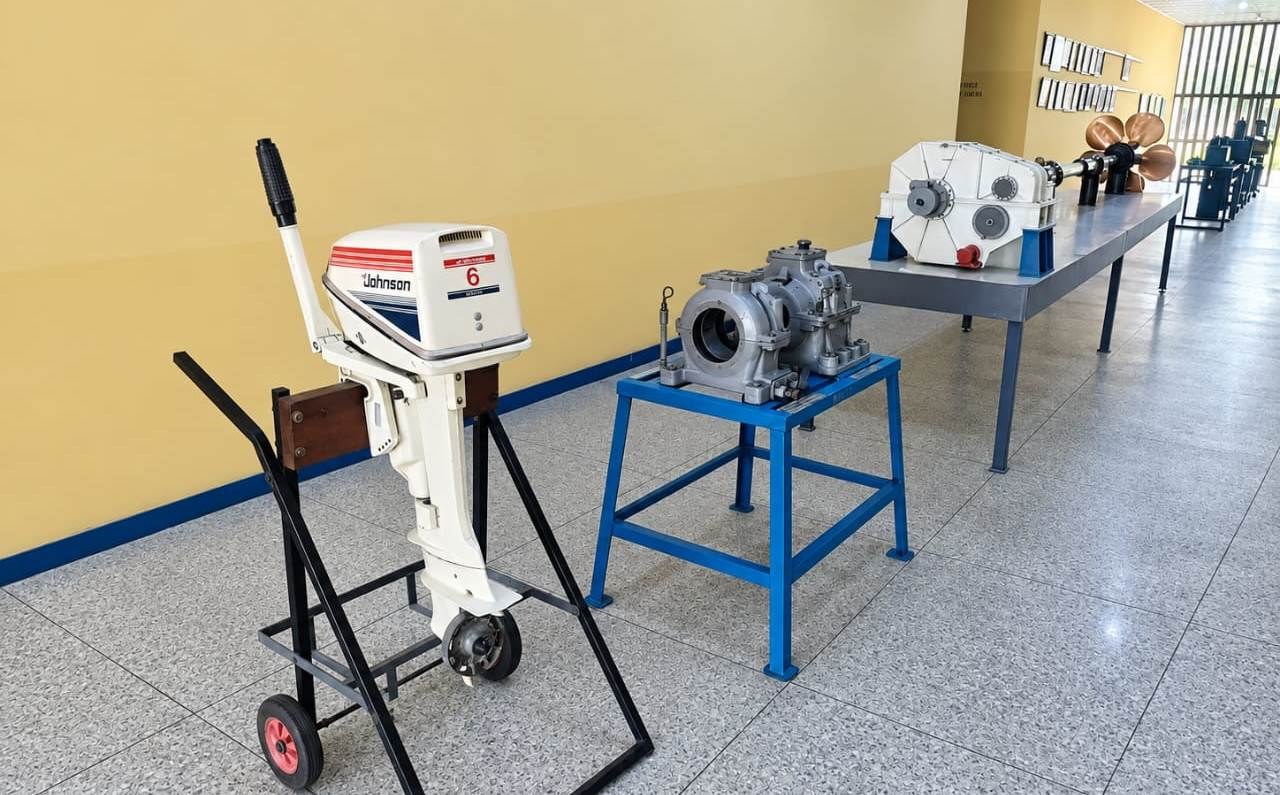
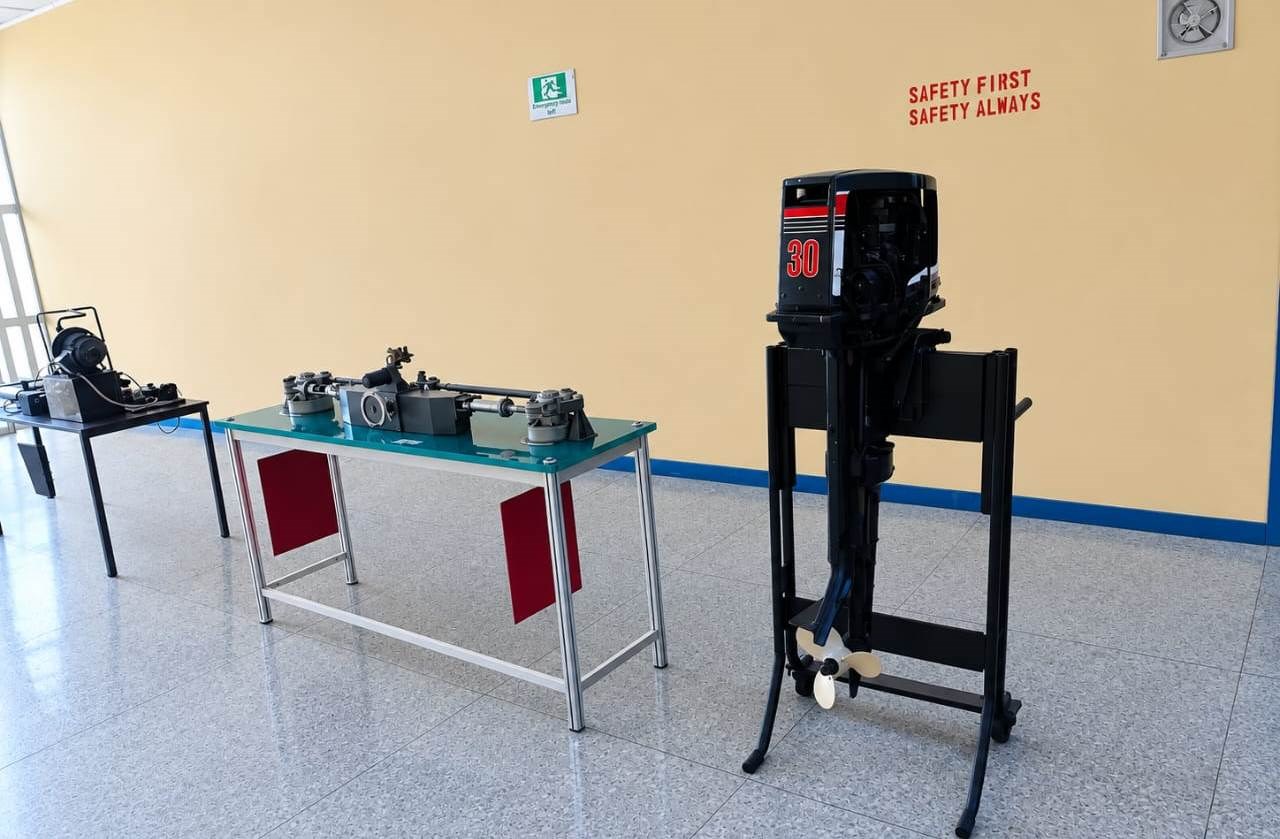
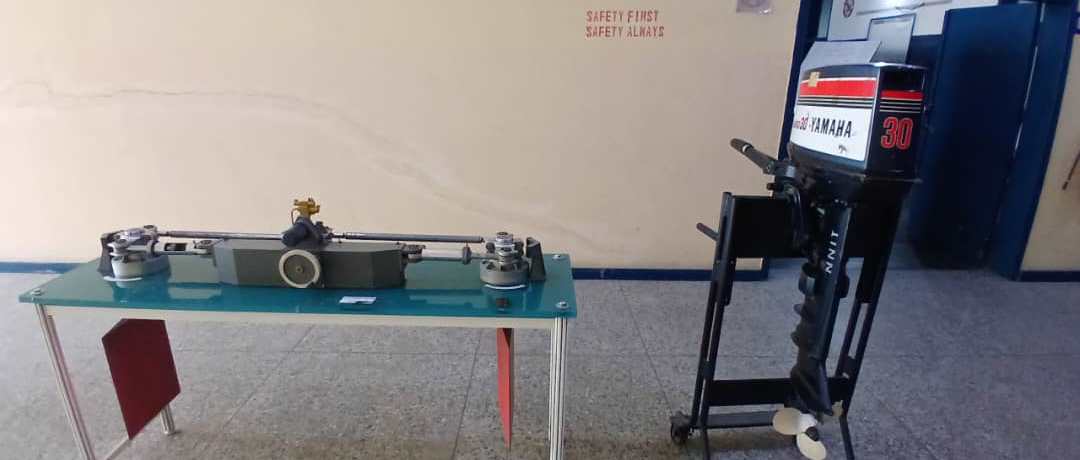
A specialized Course focused on the operation, servicing, troubleshooting, repair and Maintenance of Outboard Engines. The course combines classroom instruction with workshop practical and on-the-job training to develop competent Personnel capable of maintaining small craft propulsion systems.
c. Intermediate Level Maintenance Course (ILMC) in Refrigeration and Air Conditioning:
This Course provides personnel with Intermediate-level knowledge and practical competence in the maintenance, servicing, troubleshooting and repair of refrigeration and air-conditioning systems. The training is structured to improve equipment availability, reliability and maintainability within Naval establishments and platforms.
TRAINING PHILOSOPHY
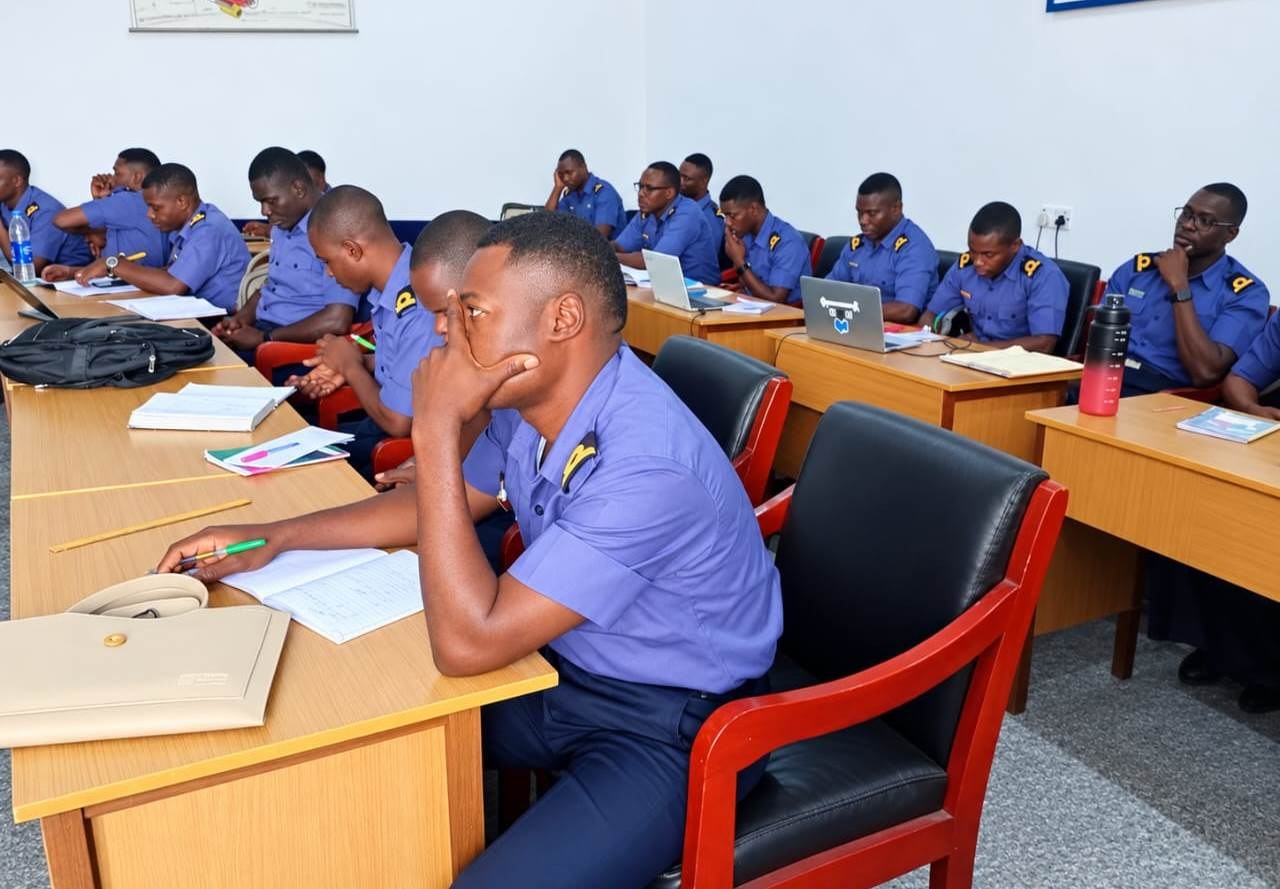
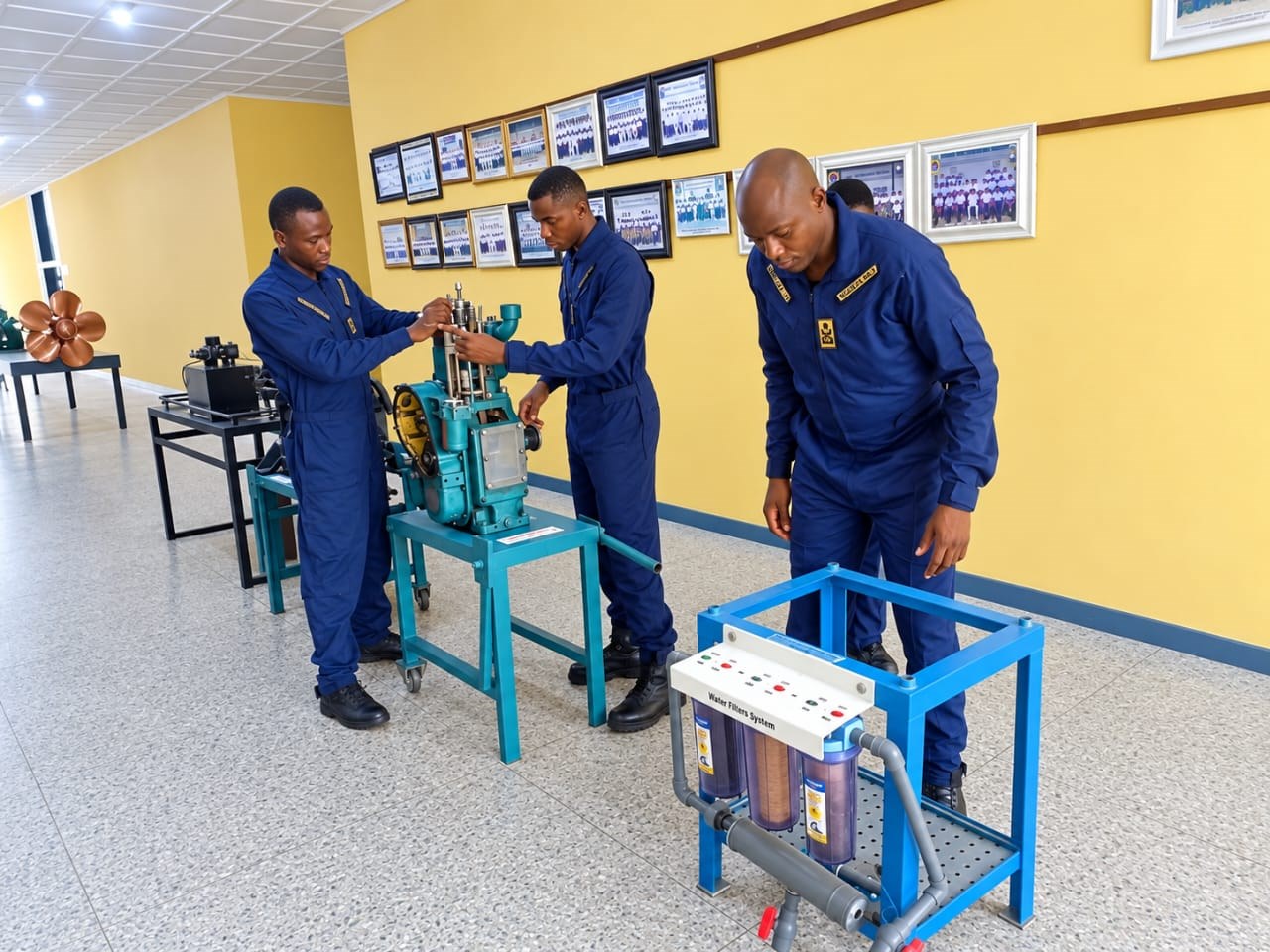
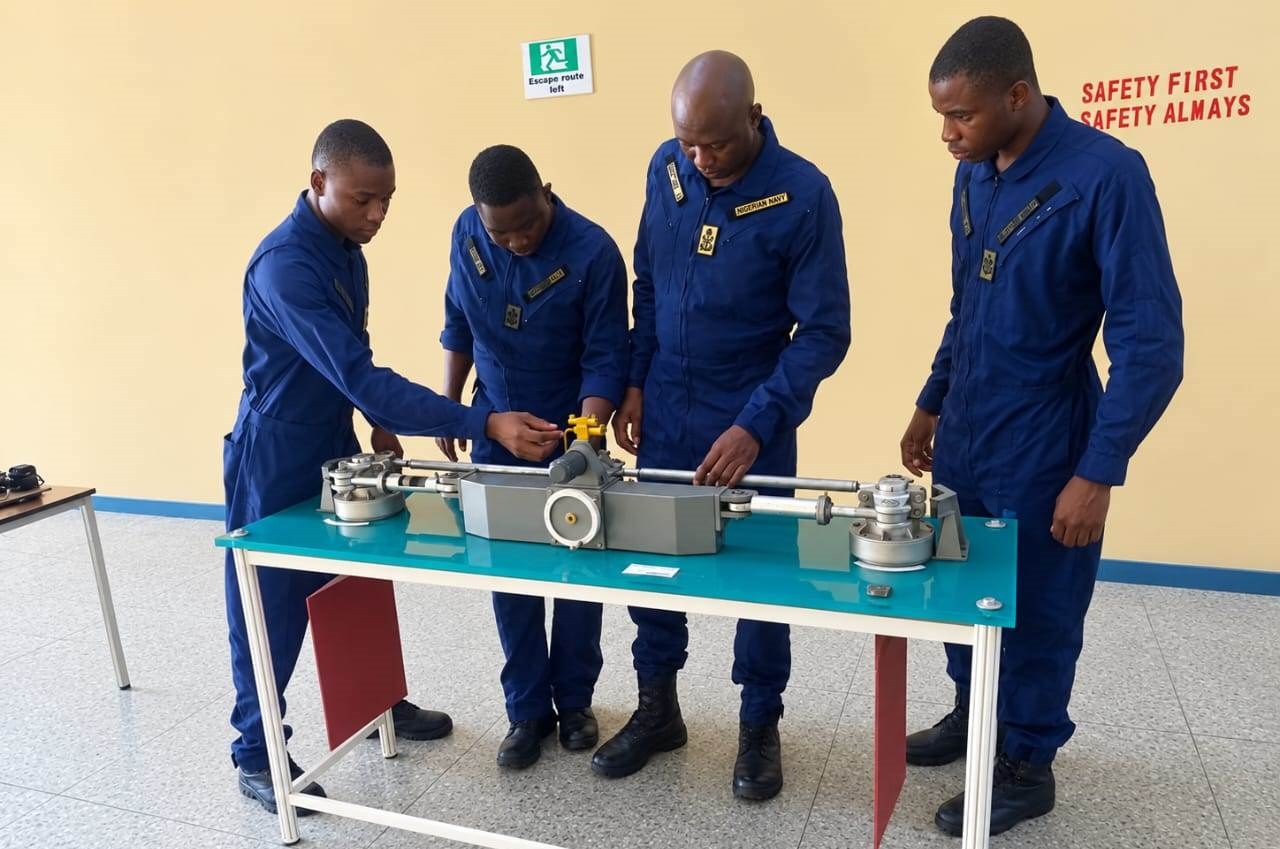
4. The Marine Engineering School is committed to a training philosophy that combines knowledge, practical competence, discipline and professionalism in line with the Chief of the Naval Staff strategic directives. Training is conducted through classroom lectures, demonstrations, workshop practical, assessments and, where applicable, on-the-job training. The School places particular emphasis on practical application, recognizing that technical competence is best developed when theoretical knowledge is reinforced through hands-on experience. Trainees are therefore encouraged to develop problem-solving abilities, attention to detail, safety consciousness and a strong maintenance culture.
FACILITIES AND INSTRUCTION
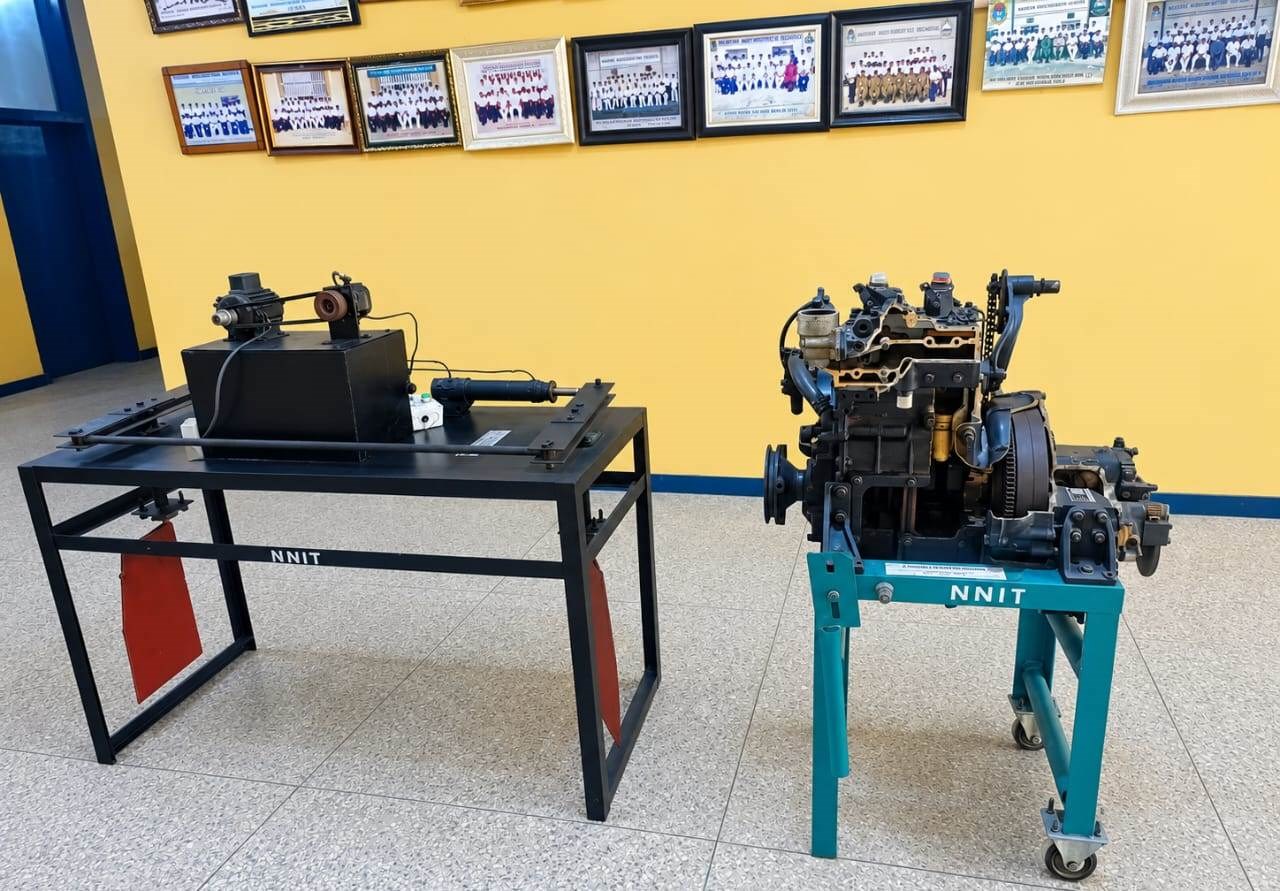
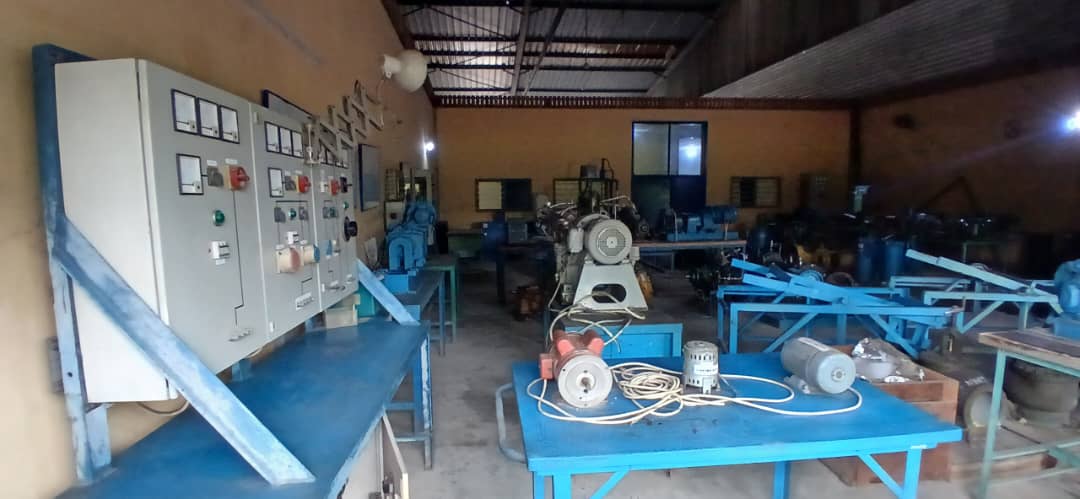
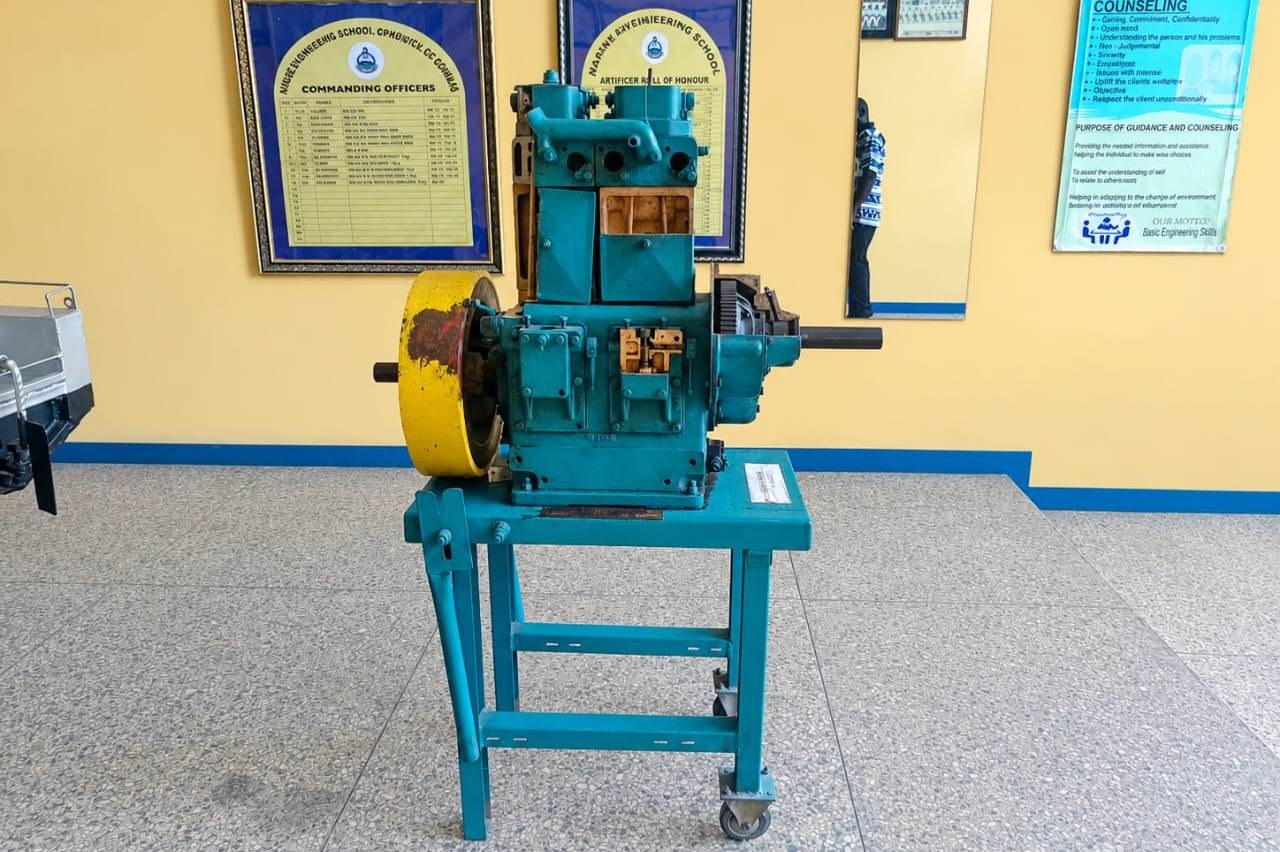
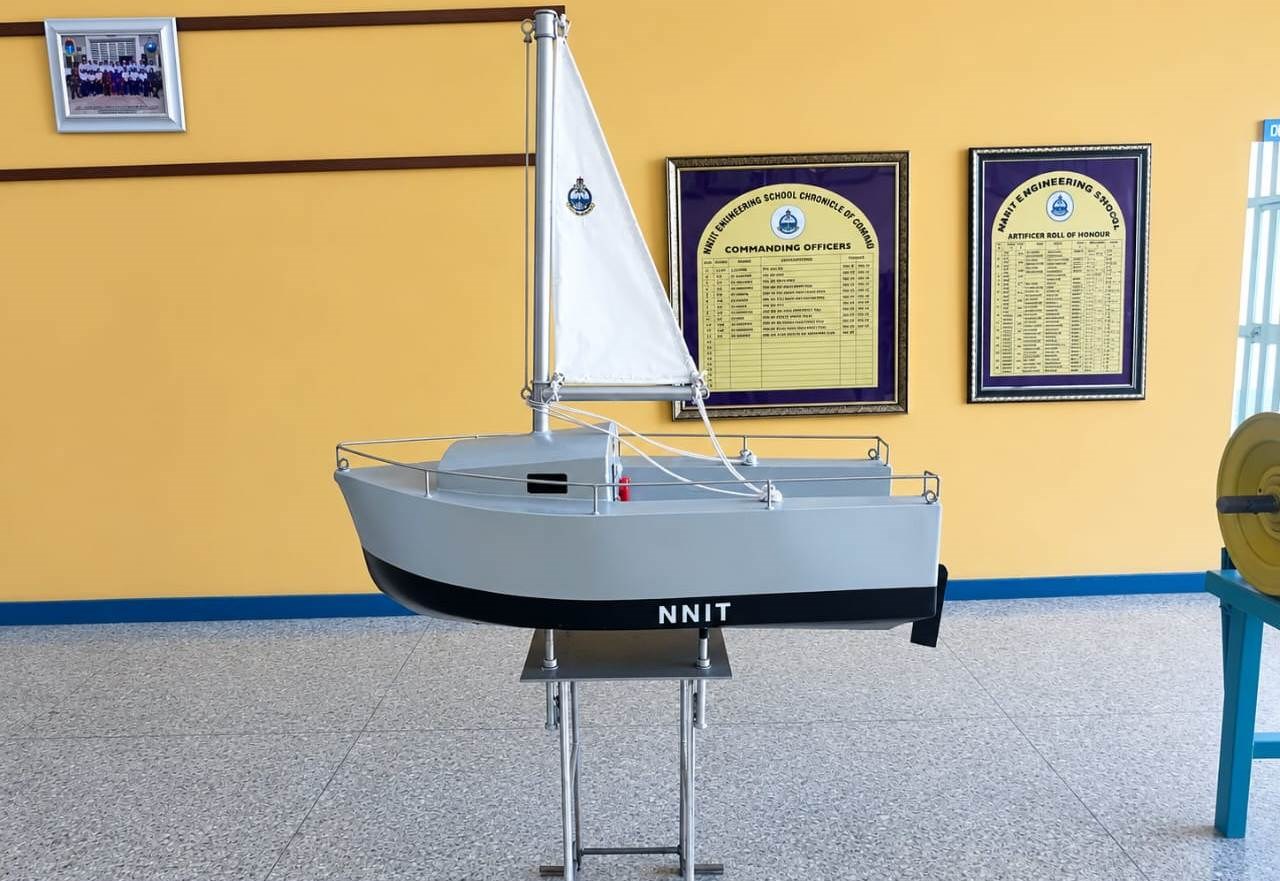
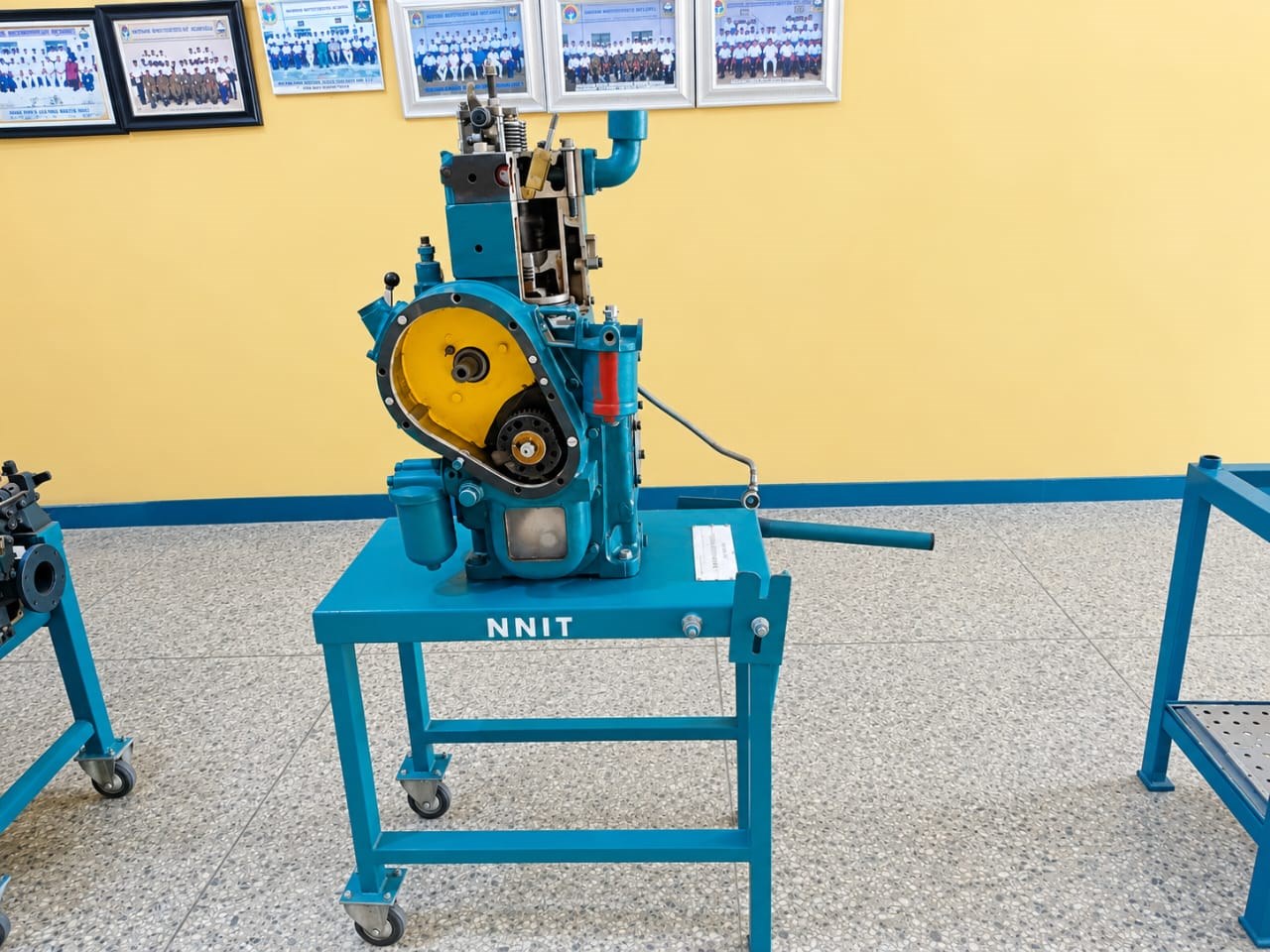
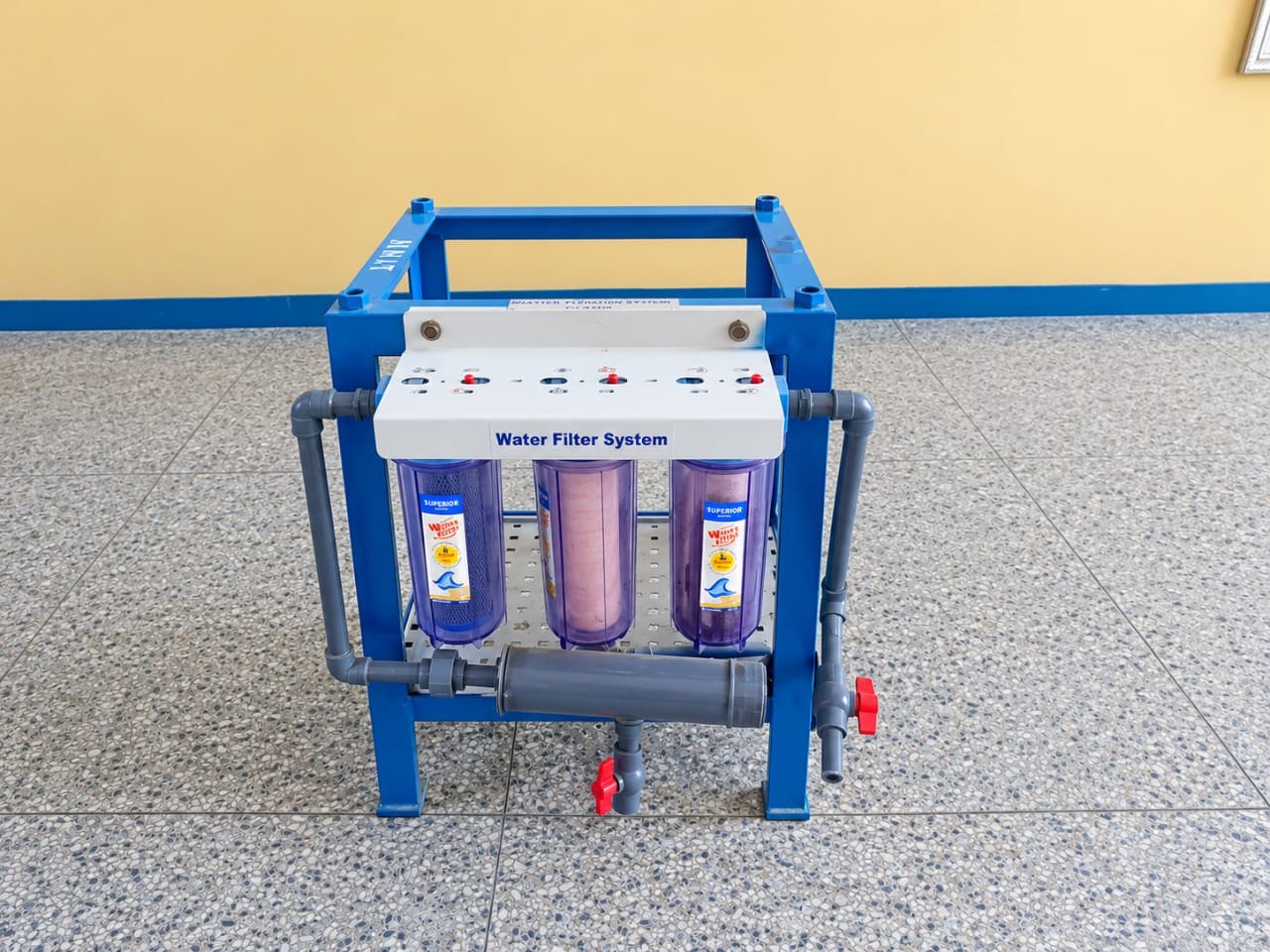
5. The School continues to utilize its technical workshops, laboratories, classrooms and instructional resources to support effective training. Qualified instructors and technical personnel provide instruction and mentorship aimed at ensuring that trainees acquire competencies relevant to contemporary naval engineering and maritime operations. The School also encourages continuous improvement in training methodologies, equipment utilization and instructional standards in order to remain responsive to emerging technological developments and the changing requirements of the Nigerian Navy.
CONTRIBUTION TO NAVAL OPERATIONAL READINESS
6. The effectiveness of naval operations is significantly dependent on the availability of professionally trained personnel capable of maintaining and repairing complex machinery and technical systems. The Marine Engineering School therefore contributes directly to the operational readiness of the Nigerian Navy by producing personnel with the technical competence required to support the safe and efficient operation of naval platforms and shore-based facilities. Through its academic, professional and specialist training programs, the School supports the development of a technically capable workforce that can contribute effectively to fleet maintenance, engineering support and maritime operations.
COMMANDING OFFICER’S REMARK
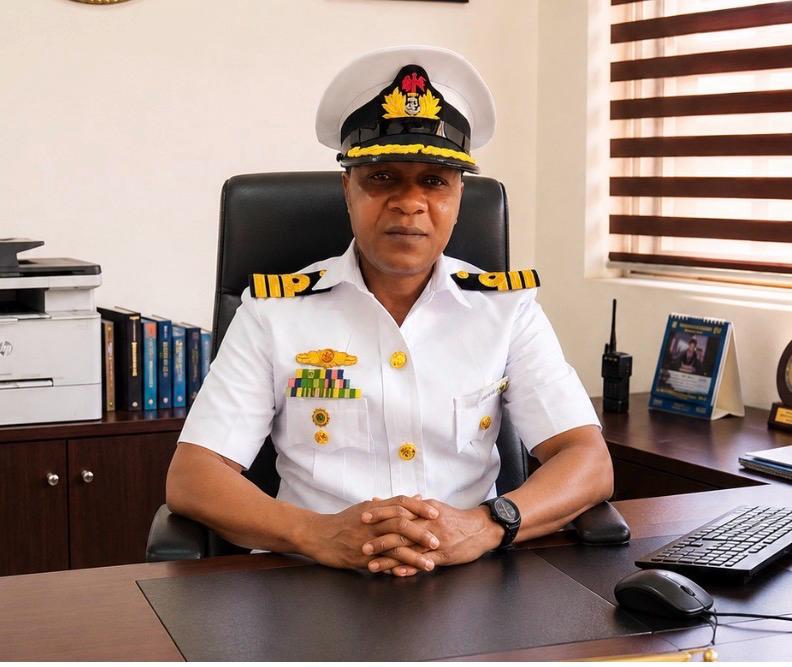
7. The Marine Engineering School remains committed to its mandate of providing quality technical education and professional training in support of the Nigerian Navy’s operational requirements. The School will continue to pursue excellence in training, uphold the highest standards of discipline, professionalism, and adapt its Programs to meet emerging technological and operational demands. It is my firm conviction that sustained investment in Technical Education, practical skills development, modern training facilities and competent instructors remains essential to building a highly proficient and self-reliant Naval Engineering workforce. The Marine Engineering School, NNIT Sapele, shall therefore continue to serve as a Centre of excellence for the development of Marine Engineering and Allied Technical Manpower in the Nigerian Navy and the broader maritime sector. To enhance training in the MES, the Command embarked on reactivation of hitherto unserviceable generators to ameliorate the poor power supply from thenational grid.
The MES, as one of the eight professional schools of NNIT, feature prominently at the centre of the Institute’s drive towards attainment of its training objectives.
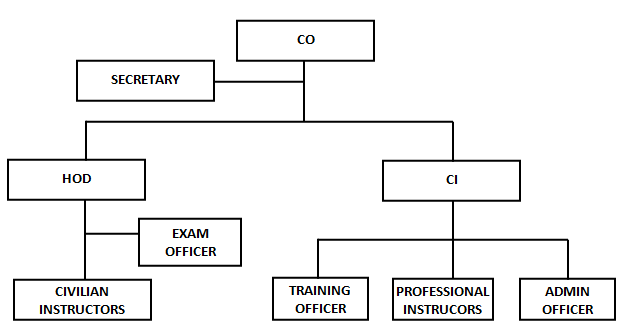
To effectively achieve its training mandates, the school is structured into administrative and training departments, with the HOD responsible to the CO for all academic details, towards the award of ND and HND Marine Engineering inline with NBTE guidelines.
The MES has recorded several achievements in the recent past. Some of these achievements include upgrade of the OAC classroom,expansion and remodelling of the MTU Training Centre, repair of outboardengines for the NN and provision oftraining aids among others.
ADMINISTRATIVE STRUCTURE OF MARINE ENGINEERING SCHOOL
|