1. The Industrial Attachment and Sea Training Programme at the Nigerian Navy Institute of Technology (NNIT), Sapele provides trainees with practical experience to complement classroom education. It enables them to apply theoretical knowledge to real working environments and develop competence in their respective fields.
2. The sea training component involves the posting of selected trainees to Nigerian Navy ships and approved naval establishments for supervised practical training. Trainees are assigned according to their areas of specialization and are exposed to the operation, maintenance, and management of relevant equipment and systems.
3. While onboard Nigerian Navy ships, trainees work under the supervision of qualified naval personnel and instructors. They are introduced to shipboard routines, safety procedures, equipment handling, teamwork, discipline, and general naval operations. This exposure helps them understand how classroom knowledge is applied in actual maritime operations.
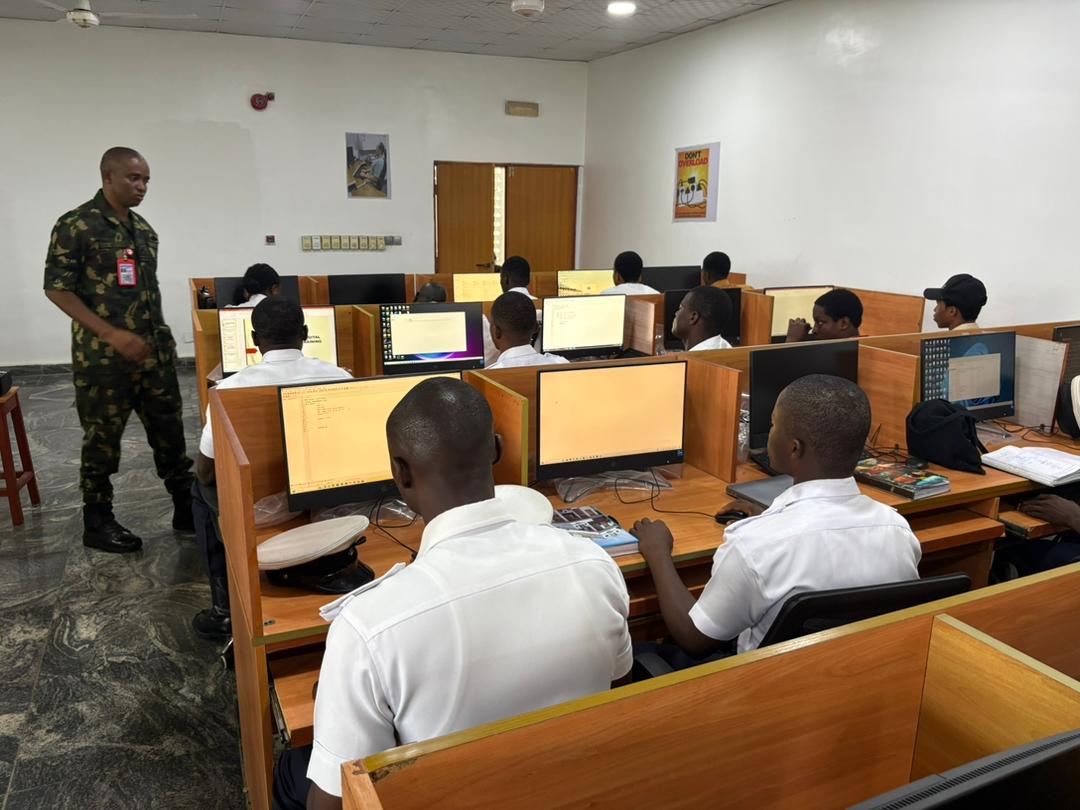
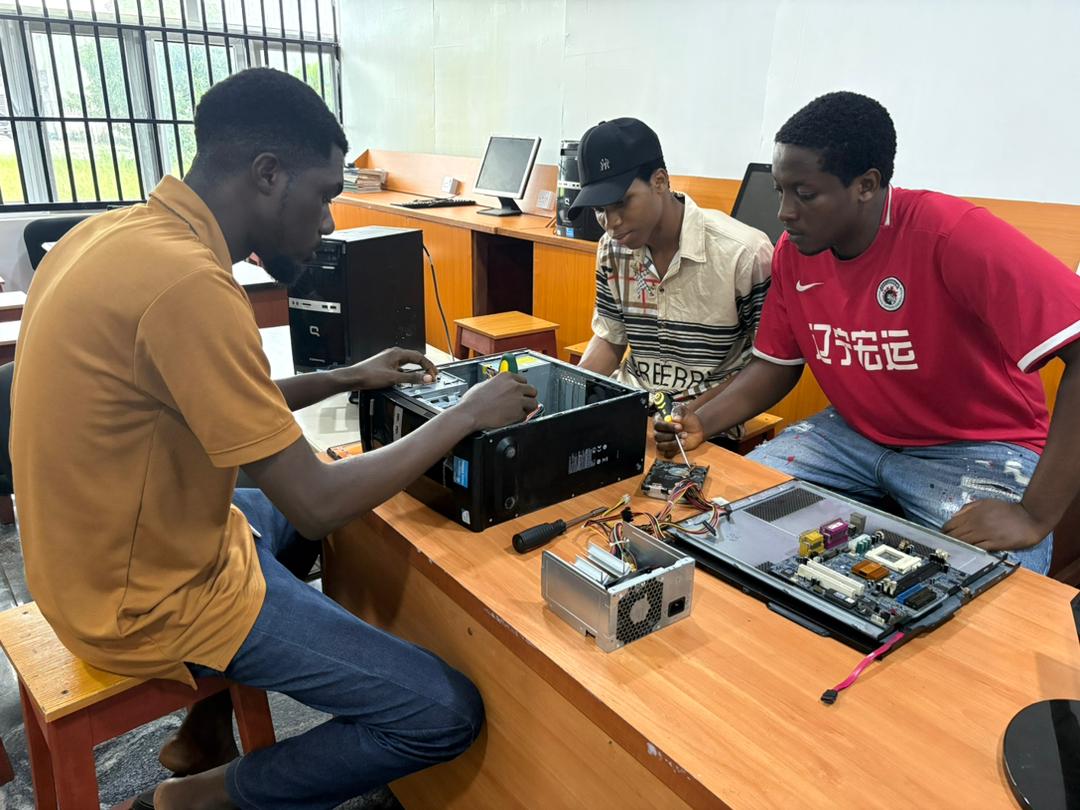
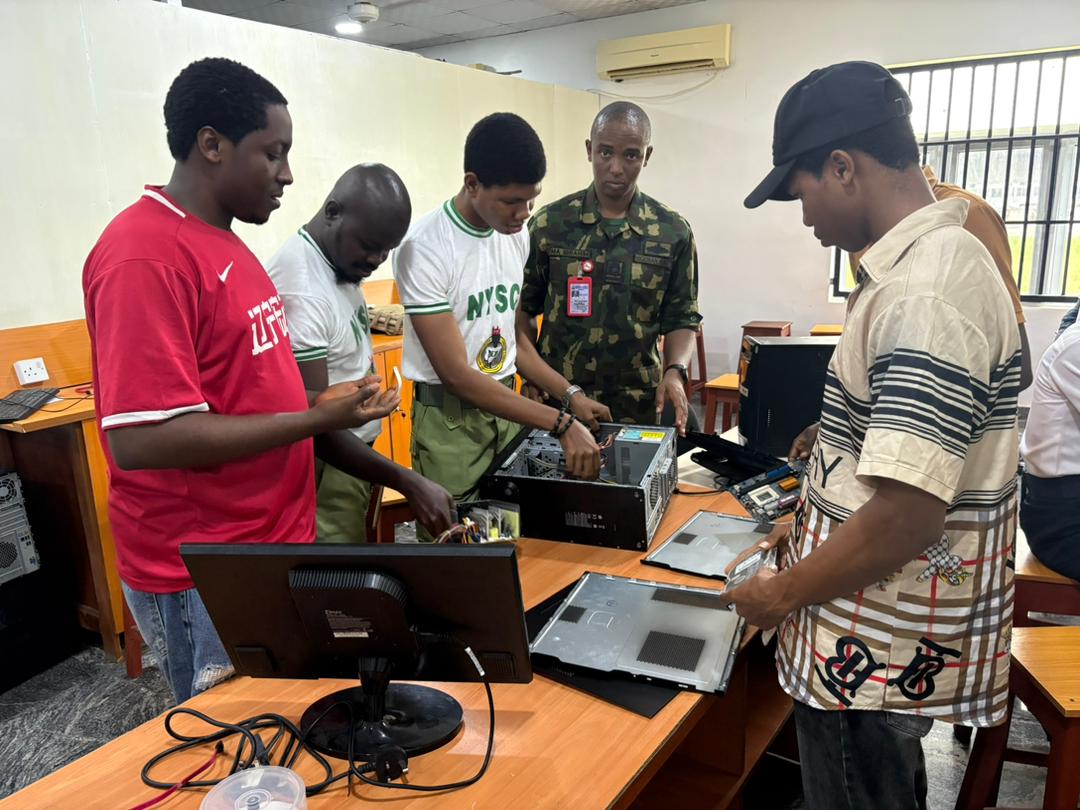
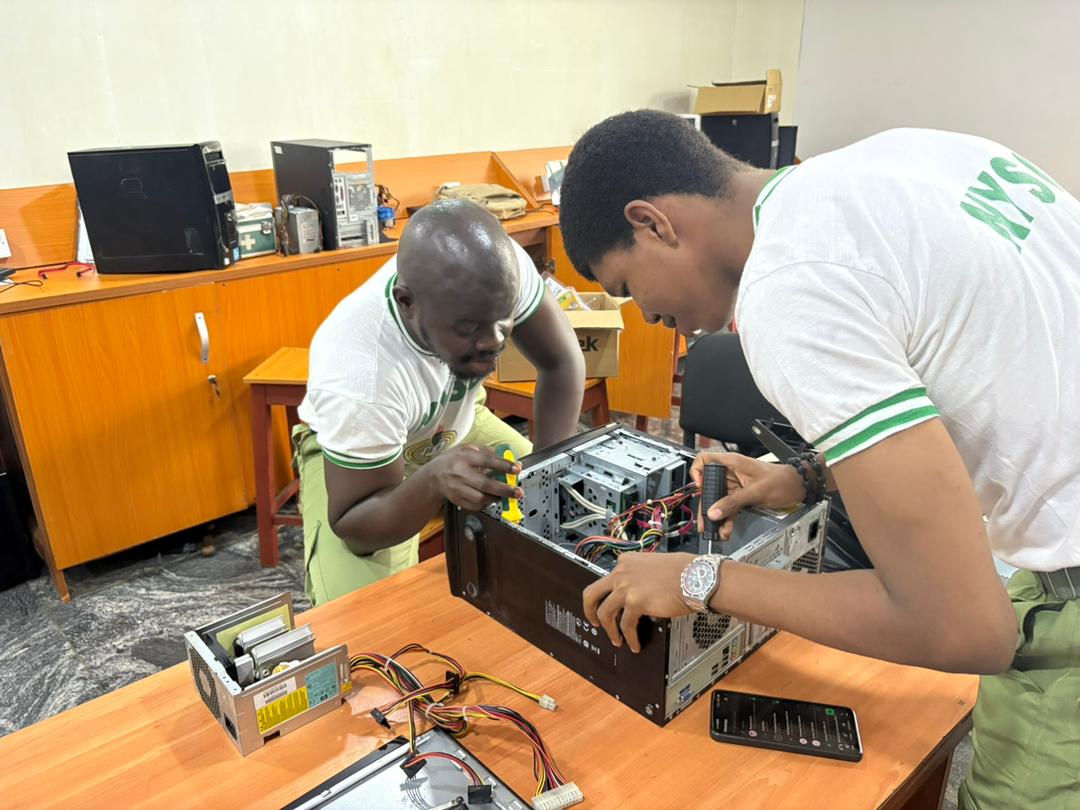
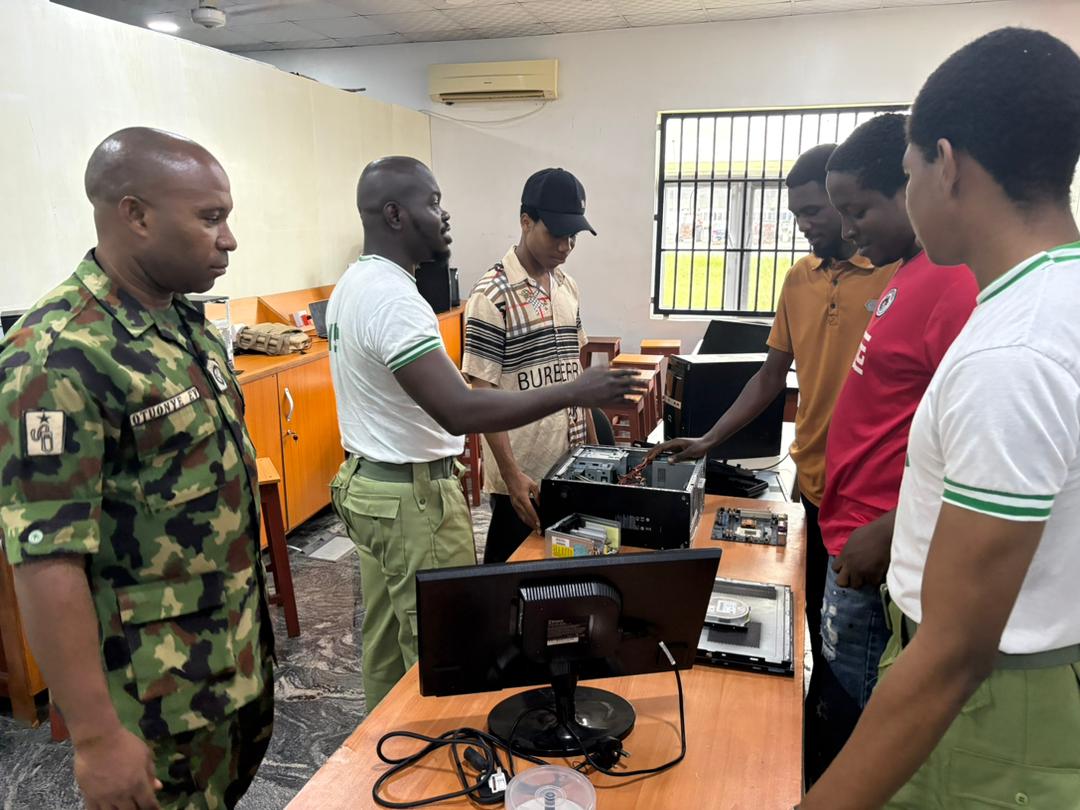
4. Trainees may also be posted to naval establishments, workshops, technical units, ICT facilities, and other relevant departments for industrial attachment. Their activities may include equipment inspection, maintenance, troubleshooting, installation, testing, repairs, documentation, and other practical tasks related to their areas of study.
5. The programme places emphasis on safety and professional conduct. Trainees are expected to observe established safety procedures, follow instructions from supervising personnel, handle tools and equipment properly, and maintain the required standards of discipline and responsibility.
6. Practical exposure enables trainees to develop technical competence, confidence, and problem-solving skills. Working with operational equipment and experienced personnel helps them gain a better understanding of their profession and prepares them for future responsibilities.
7. Trainees are also expected to maintain logbooks and training records detailing their activities, practical assignments, observations, and skills acquired during the attachment. These records assist instructors in monitoring their progress and evaluating the effectiveness of the programme.
8. The programme therefore provides a practical link between theoretical instruction and real naval operations, preparing NNIT trainees for effective performance aboard Nigerian Navy ships and within various naval establishments.
ACHIEVEMENTS
9. The Industrial Attachment and Sea Training Programme at NNIT Sapele has since its inception provided practical exposure to numerous trainees across various specializations. The programme has successfully bridged the gap between classroom education and real working environments, enabling trainees to develop technical competence, confidence, and problem-solving skills. Through collaboration with Nigerian Navy ships, naval establishments, workshops, technical units, and ICT facilities, the programme has consistently delivered hands-on experience that complements theoretical instruction.
10. The programme has contributed to the development of a skilled workforce for the Nigerian Navy by producing trainees who are technically competent and well-prepared for the demands of naval service. Trainees who have passed through the programme have demonstrated improved technical skills and a better understanding of their professional responsibilities. The emphasis on safety, discipline, and professional conduct has also helped in shaping the character and work ethic of trainees.
11. The programme has also strengthened the relationship between NNIT and operational units of the Nigerian Navy, fostering a culture of knowledge sharing and collaboration. Feedback from supervising personnel aboard ships and within naval establishments has been instrumental in refining the training curriculum and ensuring that it remains relevant to the evolving needs of the Nigerian Navy. The logbooks and training records maintained by trainees have proven to be valuable tools for monitoring progress and evaluating the overall effectiveness of the programme.
12. Furthermore, the Industrial Attachment and Sea Training Programme has enhanced the reputation of NNIT as a centre of excellence for technical training. The success of the programme has attracted recognition from within the Nigerian Navy and beyond, positioning NNIT as a key contributor to the development of human capital for the maritime sector. The programme continues to evolve, with ongoing efforts to expand its scope, improve training facilities, and incorporate modern technologies to meet international standards.
13. In line with its objectives, the programme remains committed to producing highly skilled personnel who can effectively support the operational readiness of the Nigerian Navy. The achievements recorded so far serve as a testament to the dedication of the staff, the cooperation of supervising personnel, and the commitment of trainees. NNIT will continue to build on these achievements, with a view to sustaining excellence and contributing to the overall mission of the Nigerian Navy.