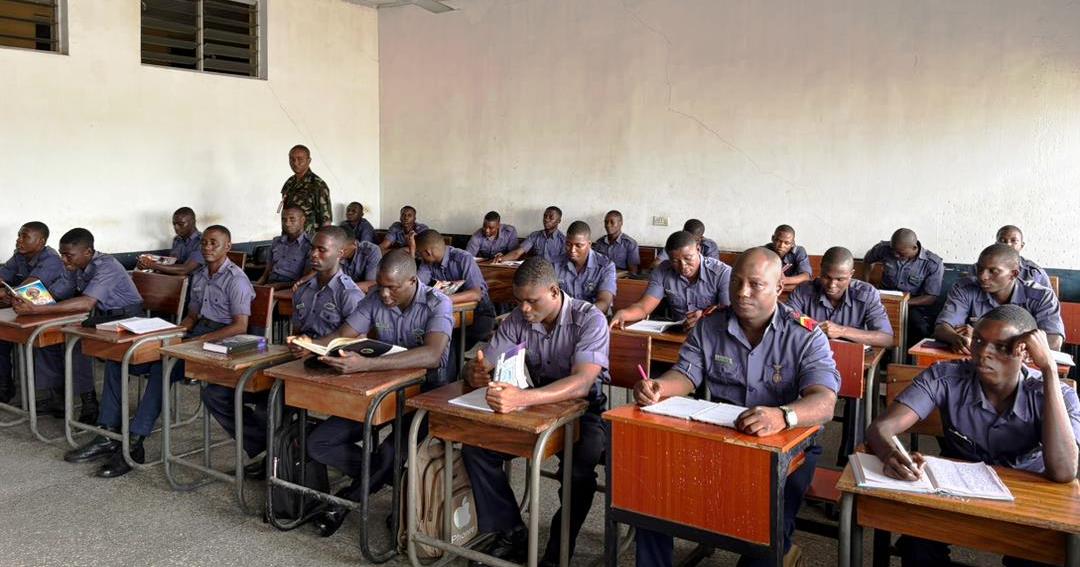
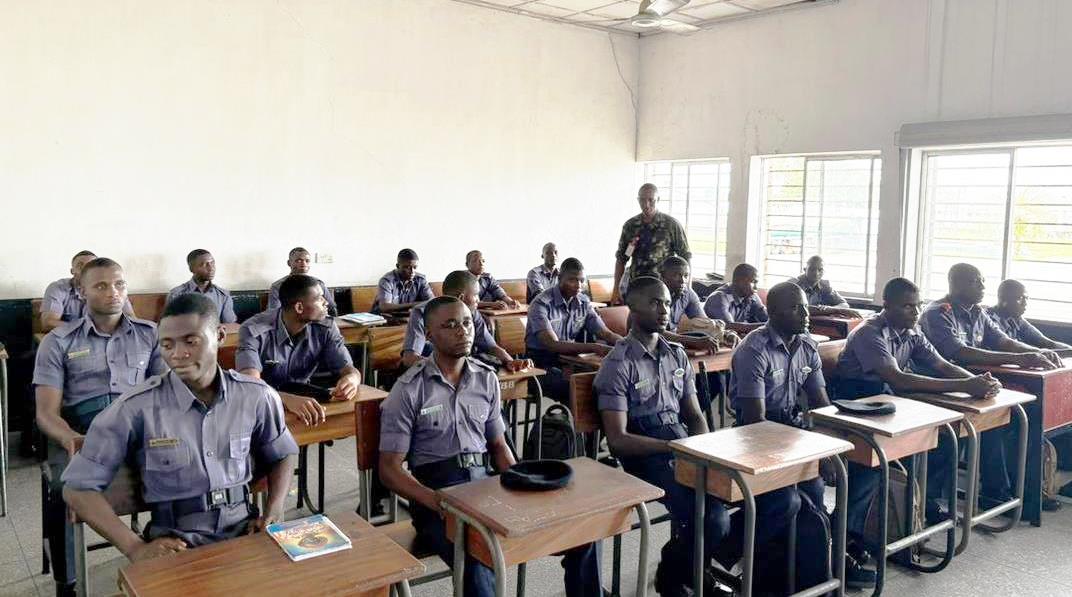
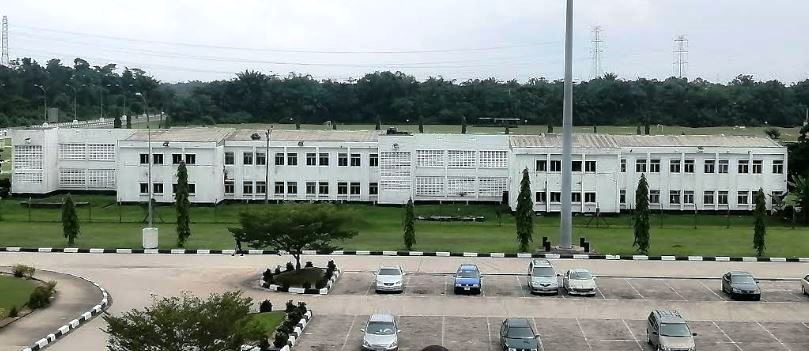
1. The Artificer Courses constitute a major component of NNIT's technical training responsibilities. They are designed to develop technically competent personnel for the operation, maintenance, repair and management of engineering systems employed across Nigerian Navy platforms. The programmes provide trainees with a combination of theoretical instruction, practical workshop experience, professional military education and service-specific technical training. Particular emphasis is placed on developing personnel who can safely and effectively operate and maintain marine engineering, electrical, electronic and weapon systems. Through the Artificer training structure, Under Training Ratings (UTRs) acquire the technical knowledge and practical skills required to perform their duties effectively. The training also develops competence in fault identification, preventive maintenance, corrective maintenance, equipment handling and the safe operation of engineering systems.
ENTRY MODES AND DURATION
2. The duration of Artificer training depends on the qualification presented by the trainees at entry. Ratings entering with Senior Secondary School Certificate Examination (SSCE) qualifications undergo a 4-year programme. This longer period provides the trainees with the academic, technical, practical and professional foundations required for their future responsibilities. Ratings entering with relevant National Diploma qualifications undergo a 2-year programme. This shorter programme builds on the technical knowledge already acquired through their previous academic training. It therefore allows the trainees to develop higher-level professional competence while receiving the additional service-specific training required for Nigerian Navy duties.
ARTIFICER PROGRAMMES OFFERED
3. NNIT offers Marine Engineering Artificer training at both ND and HND levels. The Institute also offers Weapon Electrical Engineering Artificer training at ND and HND levels. The training combines classroom instruction with practical exercises, workshop activities, technical demonstrations and professional military education. Trainees develop competencies in equipment operation, maintenance, fault diagnosis, troubleshooting, repair and safe handling of engineering systems. The training is particularly relevant to the operational requirements of Nigerian Navy ships and other platforms. It ensures that personnel are not only familiar with engineering theory but can also apply their knowledge to real operational equipment and maintenance situations.
AUTOMOBILE MECHANIC COURSE
4. In addition to the Artificer programmes, NNIT conducts the Automobile Mechanic Course (AMC). The AMC is a 4-year programme designed to develop technically competent personnel in automobile maintenance and mechanical systems. Although the Automobile Mechanic Course supports an important technical requirement of the Nigerian Navy, it is not classified as an Artificer programme. Its focus is on the maintenance, repair, troubleshooting and serviceability of vehicles and associated mechanical systems. The course therefore contributes directly to the availability and operational readiness of Nigerian Navy vehicles by providing personnel with the practical skills required for vehicle inspection, maintenance, fault diagnosis and repair.
CURRENT ENROLMENT
5. The current enrolment at NNIT reflects the Institute's contribution to the development of Nigerian Navy technical manpower. The Institute presently has 100 ND and 176 HND Artificer UTRs undergoing training. In addition, 38 UTRs are undergoing the HND Automobile Mechanic Course, while 51 UTRs are undergoing the ND Automobile Mechanic Course. The combined enrolment demonstrates the scale of technical training being undertaken at the Institute and its role in meeting the Nigerian Navy's long-term manpower requirements.
INTEGRATION OF PROFESSIONAL MILITARY EDUCATION AND NBTE-ACCREDITED TRAINING
6. A significant feature of NNIT's training model is the integration of Professional Military Education (PME) with formal technical education. This approach enables trainees to acquire both service-specific competencies and nationally recognised academic qualifications. The NBTE-accredited programmes provide trainees with structured technical education leading to recognised ND and HND qualifications. The academic component covers disciplines such as Marine Engineering, Mechanical Engineering and Electrical/Electronics Engineering. Professional Military Education complements this academic foundation by exposing trainees to the operational environment, military procedures, discipline, leadership responsibilities and service-specific requirements. The combination creates a dual-purpose training framework. Graduates are prepared to function effectively within the Nigerian Navy while also possessing nationally recognised technical qualifications. This approach supports both operational readiness and the professional development of Nigerian Navy technical personnel.